 Skip to content

After a major storm, filing a hurricane insurance claim in Texas can feel overwhelming. Houston homeowners face unique risks from both wind and flood damage, and understanding what your policy covers before a hurricane hits makes all the difference. Texas does not offer a single “hurricane insurance” policy. Instead, coverage comes from a combination of homeowners insurance, flood insurance, and in some areas a separate windstorm policy. Knowing which parts apply to your home is the first step to a smoother claims experience. If you have questions about your coverage, Truong Insurance can help you review your policy before hurricane season starts.
Understanding Hurricane Insurance in Texas
In Texas, houston hurricane insurance protection is built from multiple coverage components. Standard homeowners insurance covers wind damage in most parts of the state, but that changes in coastal regions. For homes in Texas coastal Tier 1 counties — those that touch the Gulf of Mexico — mortgage companies typically require three separate policies: homeowners insurance (with wind excluded), a separate windstorm policy, and a flood policy. In other parts of Texas, homeowners insurance often includes windstorm coverage, so only flood insurance must be added separately.
The Texas Windstorm Insurance Association, commonly called TWIA, provides windstorm coverage for eligible coastal areas where private insurers exclude it. TWIA is a state-created insurer of last resort for wind and hail damage in designated high-risk zones. Flood damage — whether from storm surge or heavy rain — is never covered by standard homeowners insurance. Homeowners in flood-prone areas should consider purchasing flood insurance through the National Flood Insurance Program (NFIP) or a private insurer.
Average Costs of Texas Hurricane Homeowners Insurance
The cost of protecting a Texas home against hurricanes varies by location, coverage amounts, and deductibles. An average combination of homeowners plus flood insurance in Texas runs about $4,840 per year. For a policy with $300,000 dwelling coverage, a $1,000 deductible, and a 2% hurricane deductible, homeowners pay roughly $4,085 per year. An NFIP flood policy in Texas averages $1,116 per year. For those who need TWIA windstorm coverage, the average premium is $2,877 per year. Coastal homeowners can expect to spend significantly more for full protection.
Your Policy: What Is Covered and What Is Not
Understanding the difference between wind and water damage is critical when filing a claim. If a hurricane tears off shingles or breaks a window, that falls under windstorm coverage. If water from a storm surge or heavy rain enters your home, it is covered only by flood insurance. Many homeowners assume their standard policy covers all hurricane-related damage. In Texas, that is not the case. Flood coverage must be purchased separately, and in Tier 1 coastal counties, windstorm coverage also requires a separate policy or endorsement.
If you live in Houston or another coastal Tier 1 county, check your policy declarations page. Look for a specific windstorm exclusion or confirm whether you have a TWIA policy. Your mortgage lender may have required you to carry both windstorm and flood coverage. For those outside Tier 1 counties, your homeowners policy likely includes windstorm protection, but flood insurance is still an essential add-on. The Texas Department of Insurance recommends verifying your coverage before storm season begins.
Steps to File a Hurricane Insurance Claim
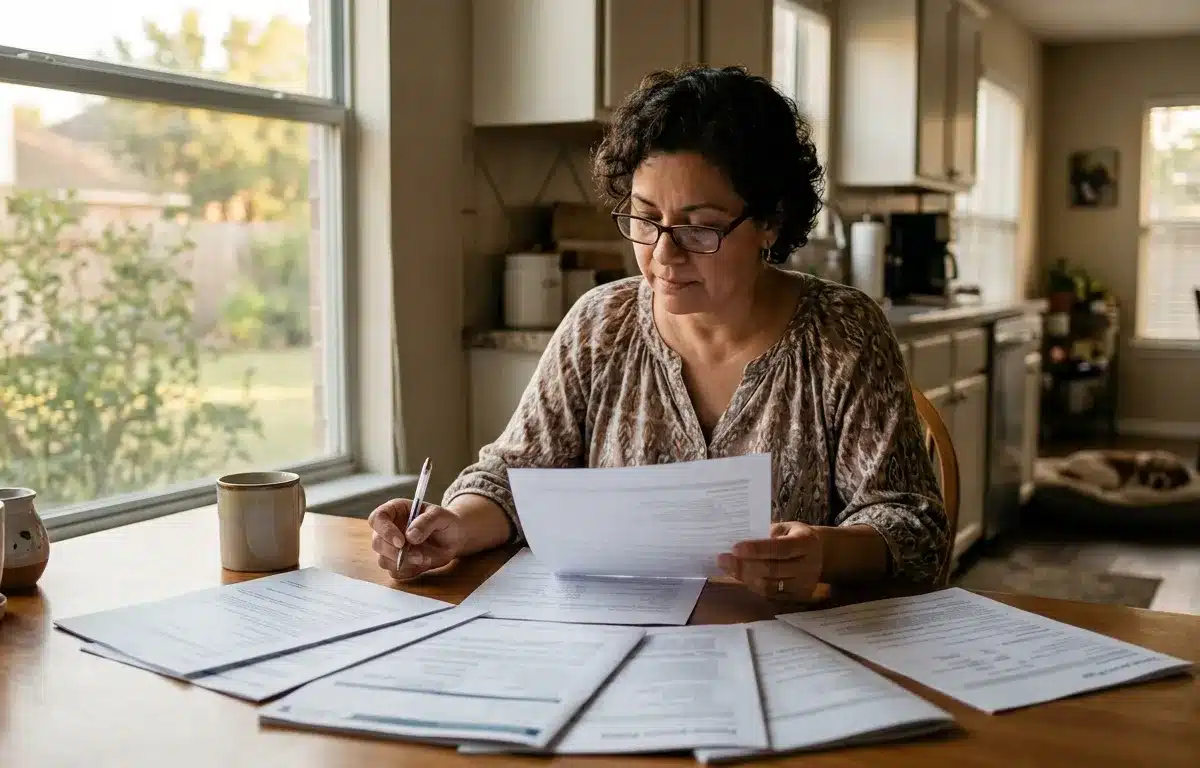
When a hurricane damages your home, acting quickly and methodically protects your claim. Document the damage thoroughly — take photos and videos of every affected area before making any temporary repairs. Keep receipts for any materials you buy to prevent further damage, such as plywood for boarded windows or tarps for roof holes. Contact your insurance company as soon as it is safe to do so. Provide your policy number and a clear description of the damage.
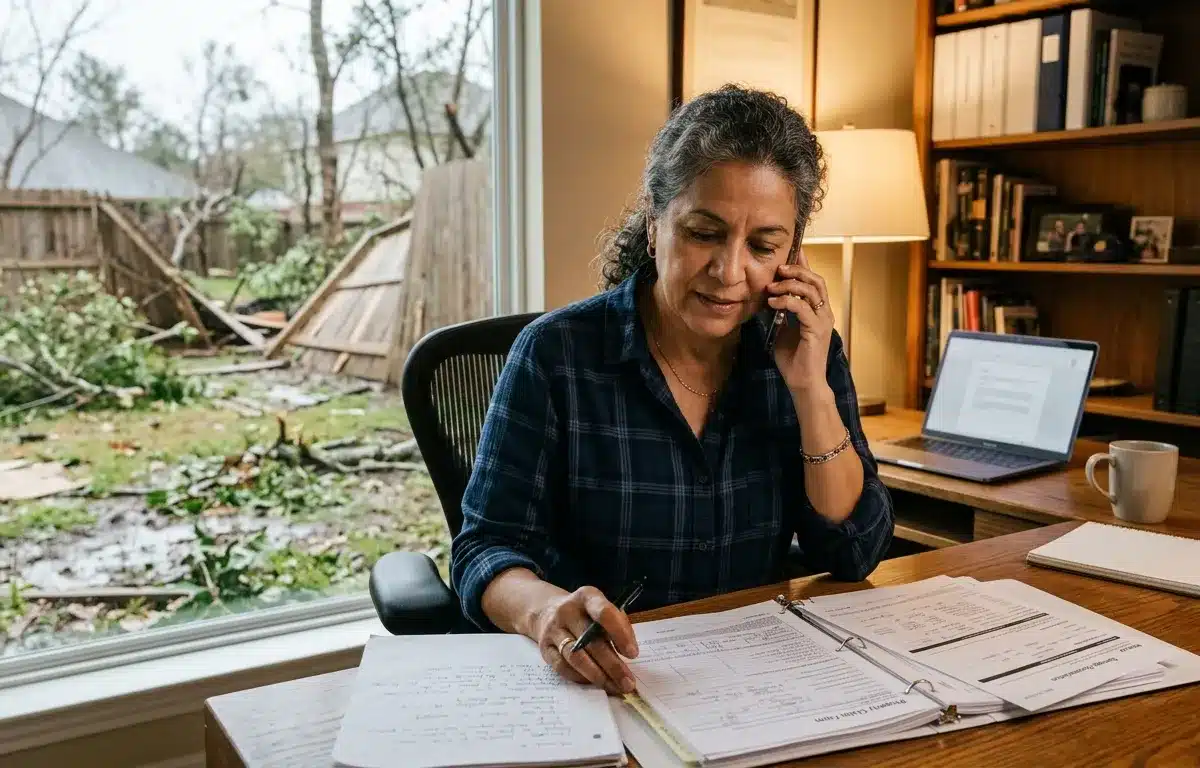
If you have questions about your claim or run into delays, the Texas Department of Insurance offers a help line at 800-252-3439, open 8 a.m. to 5 p.m. Central time, Monday through Friday. TDI staff can explain your rights under Texas law. Keep a log of every call you make to your insurer — note the date, time, and name of the person you spoke with. That record can be valuable if disputes come up later.
For personalized help navigating the process, contact Truong Insurance at (281) 377-5049. Our team knows the Houston market and can walk you through what your policy covers step by step.
What to Do When the Adjuster Arrives
An insurance adjuster will inspect your property to assess the damage. Walk with them and point out every affected area — do not assume they will find everything on their own. Do not agree to a settlement on the spot. Review the adjuster’s report carefully and compare it with your own documentation. If the estimate seems too low, you have the right to dispute it. You can also hire a public adjuster to represent your interests, though that will cost a percentage of your claim payment.

Common Claim Denials and How to Respond
After a hurricane, some Texas homeowners find their claims denied or paid less than expected. This has happened after past storms. After Hurricane Ike, for instance, many residents had difficulty getting claims approved, and multiple lawsuits were filed against TWIA for hurricane claim denied texas situations. Insurance companies may dispute or underpay claims for water and roof damage, often requiring negotiation or legal action to resolve.
If your claim is denied or underpaid, request a written explanation from your insurer. Review your policy language carefully. Common reasons for denial include disputes over whether damage was caused by wind or flood, allegations of pre-existing wear and tear, or questions about whether the policy was active at the time of the storm. You have the right to appeal. Contact TDI for guidance on the appeals process. In some cases, an attorney who handles Texas insurance claims can help you recover what you are owed.
The Texas Prompt Payment of Claims Act
Texas has a Prompt Payment of Claims Act that requires insurers to pay first-party claims within specified deadlines. The law is designed to prevent unreasonable delays after a disaster. If your insurer fails to meet these deadlines, you may be entitled to additional penalties and interest on the unpaid amount.
To protect your rights, keep copies of all correspondence with your insurer. If you think your claim is being delayed unfairly, contact the Texas Department of Insurance. Because deadlines can vary based on policy terms and the nature of the damage, ask your agent or insurer for the specific timeline that applies to your claim. The home insurance guide for Houston homeowners on our site covers additional Texas-specific protections worth knowing before hurricane season.
Frequently Asked Questions
What is the difference between windstorm and flood insurance?
Windstorm insurance covers damage caused by wind — hurricane-force winds, tornadoes, and hail. Flood insurance covers water damage from storm surges, rising water, or heavy rain that leads to standing water. In Texas, standard homeowners policies exclude flood damage, and in coastal counties they often exclude windstorm damage as well.
Do I need flood insurance if I live in Houston?
Houston is one of the most flood-prone cities in the country and has seen severe flooding during multiple hurricanes. Flood insurance is not required by state law for all homeowners, but mortgage lenders may require it if your home is in a high-risk flood zone. Even if it is not required, a flood policy is worth having.
How do I know if I have windstorm coverage through TWIA?
Check your policy documents for a TWIA policy number or a windstorm exclusion on your homeowners policy. If your home is in a Tier 1 coastal county and your standard policy excludes wind, your mortgage company likely enrolled you in TWIA. You can also contact your insurance agent to confirm.
What should I do if my hurricane claim is denied?
Request a written explanation from your insurer. Review your policy to understand the reason for the denial. Contact the Texas Department of Insurance at 800-252-3439 for help. You may also consult a public adjuster or an attorney with experience in Texas hurricane insurance claims.
How long do I have to file a hurricane insurance claim in Texas?
Most insurance policies include a time limit for reporting claims. After a hurricane, file as soon as possible to avoid missing any policy-specific deadlines. Contact your insurance agent or read your policy documents to confirm the exact filing window that applies to you.
Get Help With Your Hurricane Insurance Claim
Knowing how hurricane insurance claims work in Texas lets Houston homeowners act with confidence after a storm. Review your coverage now, document your home’s condition before hurricane season, and keep the TDI help line number handy.
If you are not sure whether your current policy fully covers wind, flood, or both — or if you have questions after a storm — Truong Insurance is here to help. We have been serving the Houston community since 2012 and understand the specific risks homeowners in this area face.
Contact Truong Insurance today or call us at:
