 Skip to content

Ask ten Houston homeowners what they pay for flood insurance and you’ll hear numbers from $450 to well over $4,000 a year. Same city, sometimes the same subdivision.
That spread isn’t random. Flood insurance pricing follows a handful of rules, and once you know them you can predict your quote, check whether it’s fair, and find the levers that bring it down.
If you’re still deciding whether you need flood coverage at all, start with our guide to flood insurance for Houston homeowners. This piece is about cost: what drives your premium, what you get for it, and how to pay less without leaving yourself exposed.
Why Flood Insurance Is Its Own Bill
Your standard homeowners policy does not cover flood. Not rising water from a bayou, not street flooding that comes under the door, not a storm surge. That gap is why flood is a separate policy with a separate premium.
In Houston that gap is expensive to ignore. During Hurricane Harvey in 2017, a large share of the homes that flooded in Harris County sat outside the high-risk flood zones on FEMA’s maps. Many of those owners had no flood policy because their lender never required one.
Two rules to remember before you shop:
- There’s usually a 30-day waiting period on a new NFIP policy. You can’t buy it when a storm shows up in the Gulf and expect it to pay.
- Your lender’s requirement is a floor, not a recommendation. If you’re outside a high-risk zone, nobody will make you buy it. That doesn’t mean you won’t flood.
What Flood Insurance Costs in Houston
Here are realistic annual ranges we see for single-family homes. Treat these as ballpark figures, not quotes.
- Lower-risk areas (Zone X, elevated lot): often about $450 to $900 a year.
- Moderate risk or older homes near drainage channels: often about $900 to $2,000 a year.
- High-risk zones (A or AE), low elevation or prior flood claims: $2,000 to $5,000 or more a year.
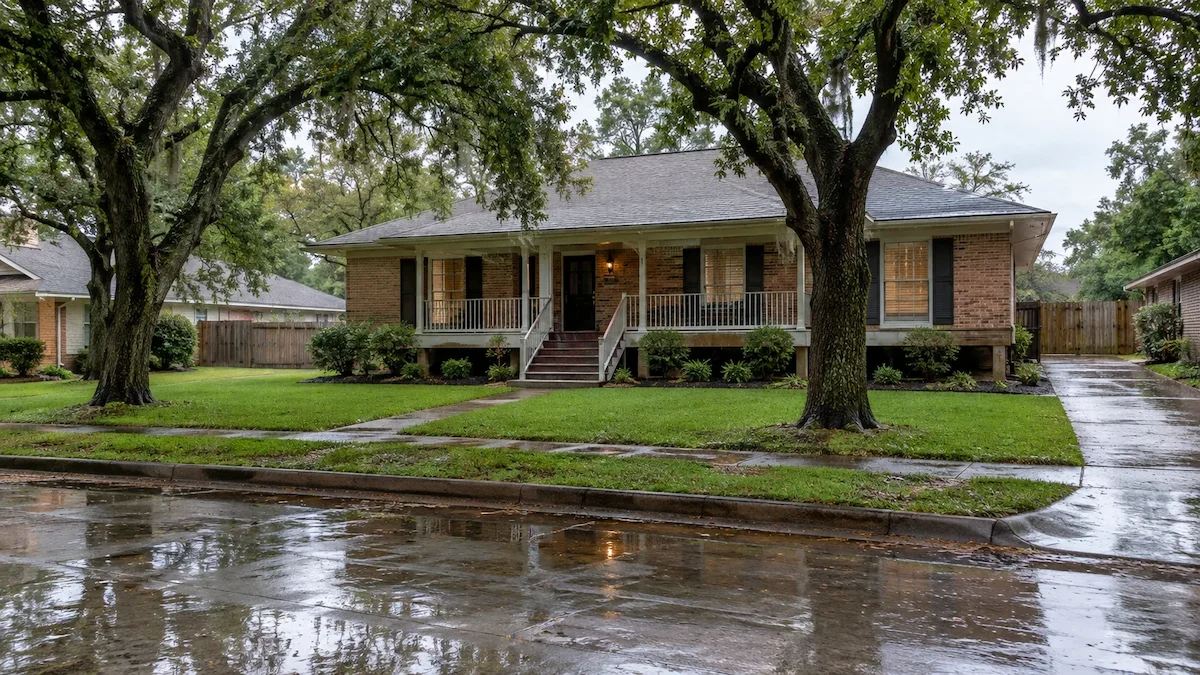
Since FEMA rolled out its Risk Rating 2.0 pricing in 2021 and 2022, NFIP premiums are based on your specific property rather than just the flood zone. That’s why two neighbors in the same zone can pay very different amounts. For a primary residence, NFIP increases are capped at 18% a year, so if your full-risk rate is much higher than what you pay today, expect steady increases until you reach it.
The Five Things That Set Your Price
1. Distance to water and drainage. How close you are to a bayou, creek or detention basin, and how water flows across your lot.
2. Elevation. How high your lowest floor sits relative to expected flood levels. A few feet can change your premium by hundreds of dollars.
3. Foundation type. Slab-on-grade homes, which are common in Houston, generally rate differently than raised or pier-and-beam homes.
4. Rebuild cost. Larger and more expensive homes cost more to insure because the claim would be bigger.
5. Claims history. Prior flood claims on the property can raise the rate, sometimes sharply.
You can’t move your house. But you can change some of how it’s rated, which is where the savings live.
What You Get for the Money
An NFIP policy has two parts, and you pick limits for each:
- Building coverage, up to $250,000. The structure, foundation, electrical, plumbing, HVAC, water heater, built-in appliances and permanently installed flooring.
- Contents coverage, up to $100,000. Furniture, clothing, electronics and other belongings. Contents is optional. Many Houston homeowners skip it and regret it.
Know the limits before a storm, not after:
- NFIP doesn’t pay for temporary housing while your home is repaired.
- Basement and below-grade contents coverage is very limited.
- Payouts on contents are usually actual cash value, which means depreciated.
If your home would cost more than $250,000 to rebuild, or you want living expense coverage, a private flood policy or excess flood policy can fill the gap. Private flood is sometimes cheaper than NFIP for well-elevated homes, and sometimes not available at all for high-risk ones. It’s worth quoting both.
How to Lower Your Houston Flood Insurance Premium
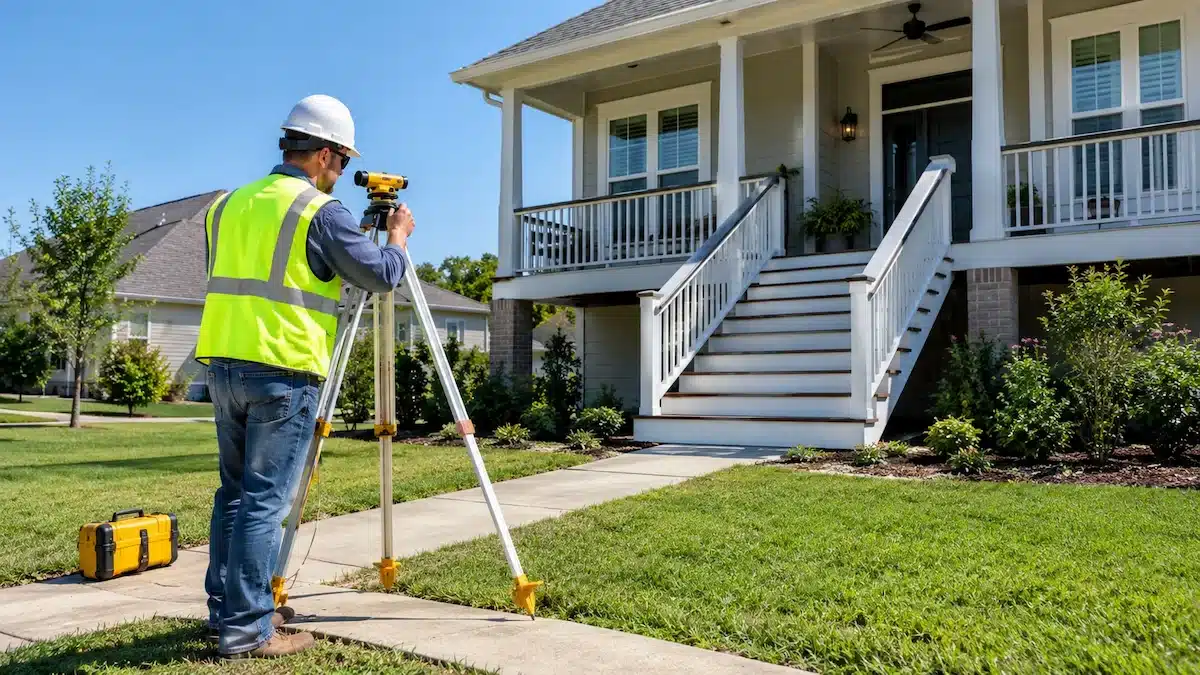
Get an Elevation Certificate
An elevation certificate from a licensed surveyor documents how high your home sits. It often costs a few hundred dollars. If your lowest floor is higher than the maps assume, it can lower your premium, sometimes by enough to pay for itself in the first year.
Pick the Right Deductible
NFIP deductibles go up to $10,000 for building and contents. Raising yours lowers the premium. Only do it if you’d actually have that cash on hand after a flood, because you’ll need it at the worst time.
Make Mitigation Upgrades That Count
Some changes affect how your home is rated:
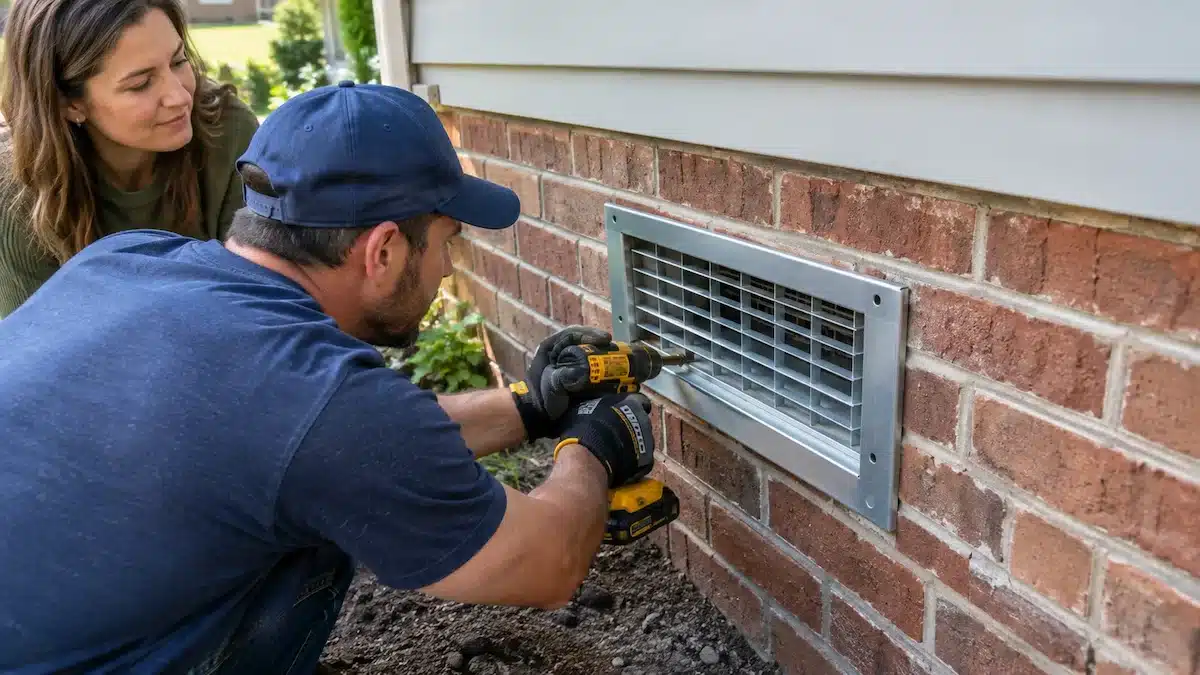
- Installing engineered flood vents in an enclosure or crawlspace
- Raising the HVAC unit, water heater and electrical panel above expected flood levels
- Elevating the home, which is expensive but can cut premiums dramatically
Grading and drainage improvements may not change your rate, but they reduce the odds of a claim, which matters more.
Don’t Let Your Policy Lapse
A lapse can cost you discounts and restart the waiting period. Put the renewal date in your calendar, or let your agent track it.
Quote NFIP and Private Flood Side by Side
Rates move. A home that only had NFIP options five years ago may now get a competitive private quote. Run both every couple of years.
Get a Real Number for Your Home
Houston flood insurance costs come down to where your home sits, how high it is, and how it’s built. Get an elevation certificate if you don’t have one, pick a deductible you can actually cover, and compare NFIP against private options instead of renewing on autopilot.
Truong Insurance is an independent agency in Houston, so we can quote flood coverage alongside your homeowners insurance and show you the tradeoffs side by side. If you’re in Houston proper or nearby, see our Houston home insurance page. Call (281) 377-5049, email [email protected], or contact us for a quote.
Rates and program rules change. Figures here are general estimates, not quotes. Your premium depends on your property and the policy you choose.
