 Skip to content


Most Houston homeowners don’t find out how their windstorm coverage works until a roofer is standing in the driveway with an estimate. That’s the wrong time to learn your deductible is $7,000, not $1,000.
Here’s the short version. For most homes inside Houston, wind and hail damage is covered by your regular homeowners policy. The catch is the deductible, which is usually a percentage of your home’s insured value, not a flat dollar amount. Closer to the coast, coverage can come from a separate state pool with its own rules.
If you want the basics of whether you need a separate windstorm policy, see our guide on windstorm insurance in Houston. This article goes deeper on what you’ll actually pay when a storm hits, and how to set up your policy so the deductible doesn’t surprise you.
Where Texas Windstorm Coverage Comes From
There are two ways a Houston-area home gets wind and hail coverage:
1. Your homeowners policy. For most of Harris County, wind and hail are part of your standard policy. You’ll see a separate wind/hail deductible on the declarations page.
2. The Texas Windstorm Insurance Association (TWIA). TWIA covers wind and hail in the 14 first-tier coastal counties and part of Harris County, mainly communities east of State Highway 146 like La Porte, Seabrook and Morgan’s Point. In those areas, many private insurers exclude wind, so you pair a homeowners policy with a TWIA policy.

To qualify for TWIA, your home generally has to meet windstorm building codes. For homes built or significantly repaired after 1988, that usually means a WPI-8 certificate of compliance from the Texas Department of Insurance. If you’re buying a home in a TWIA area, ask for the certificate before you close. Getting one after the fact can be slow and expensive.
How Wind and Hail Deductibles Actually Work
This is where homeowners get caught. In Texas, wind and hail deductibles are usually a percentage of your dwelling coverage, often 1% to 2%, and sometimes up to 5% in coastal areas.
Here’s what that looks like on a $350,000 dwelling limit:
- 1% deductible: you pay the first $3,500 of a wind or hail claim.
- 2% deductible: you pay the first $7,000.
- 5% deductible: you pay the first $17,500.
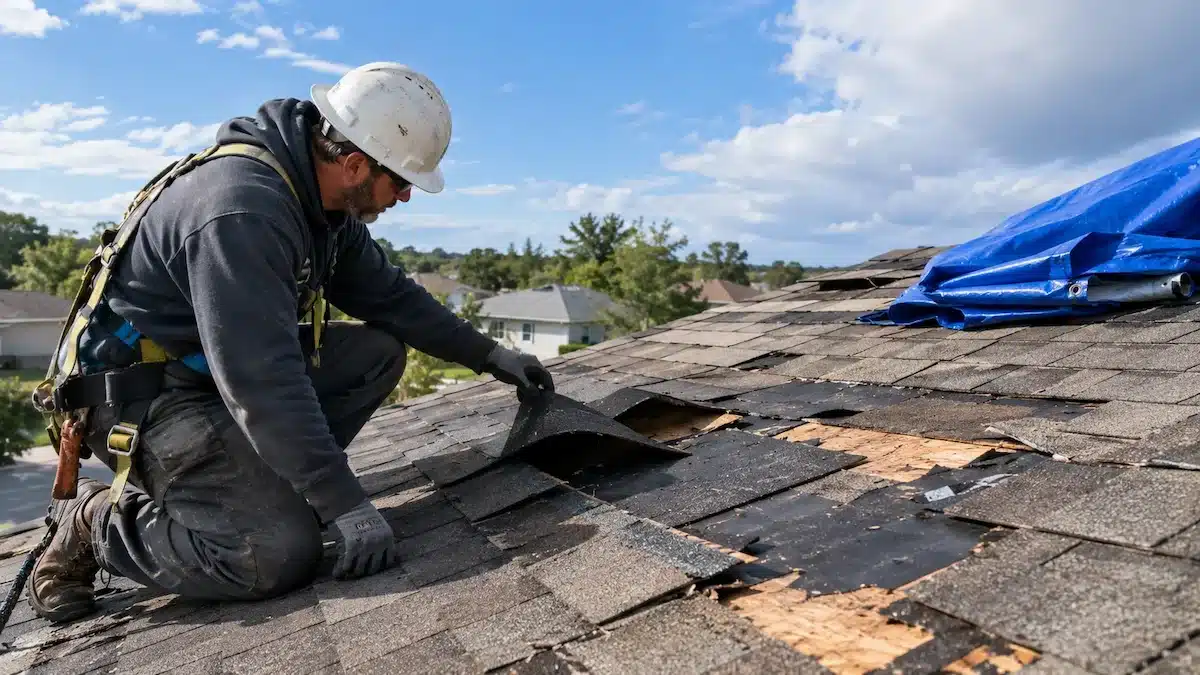
Now compare that to a typical roof claim after a strong storm, which can easily run $12,000 to $25,000 for a full replacement on an average Houston home. At 2%, you’re covering more than a quarter of it yourself. At 5%, you might cover most of it.
Some policies also have a separate, higher named storm or hurricane deductible that applies only when a storm is named by the National Hurricane Center. Read your declarations page for both.
Choosing the Right Deductible for Your Home
A higher percentage deductible lowers your premium. That trade only makes sense if you can cover the deductible in cash.
A good rule of thumb: keep enough in savings to cover your wind deductible plus a month of living expenses. If that number feels out of reach, a lower deductible is worth the extra premium.
Ask your agent to quote the same policy at 1%, 2% and 5% so you can see the real dollar difference. Sometimes going from 2% to 1% costs less per year than you’d expect.
Ways to Lower Your Windstorm Premium
- Roof age and material. A newer roof usually prices better. Impact-resistant Class 4 shingles can qualify for a discount with many carriers.
- Roof-to-wall connections and shutters. Hurricane straps, storm shutters and impact-rated windows lower your risk and sometimes your rate.
- Bundling. Combining home and auto with one carrier often reduces both premiums.
- Claims history. Small claims add up. Handling minor repairs yourself can keep your rate down over time.
What Windstorm Coverage Won’t Pay For
Wind coverage is for damage caused by wind and wind-driven rain entering through a damaged roof or window. It does not cover:
- Flood or storm surge. That needs a separate flood policy. TWIA may also require flood coverage for homes in high-risk flood zones.
- Wear and tear. An old roof that fails in a moderate storm can lead to a partial denial.
- Damage you don’t report on time. TWIA requires claims to be filed within one year of the date of loss, and private policies have their own deadlines.
After the Storm: Protect Your Claim
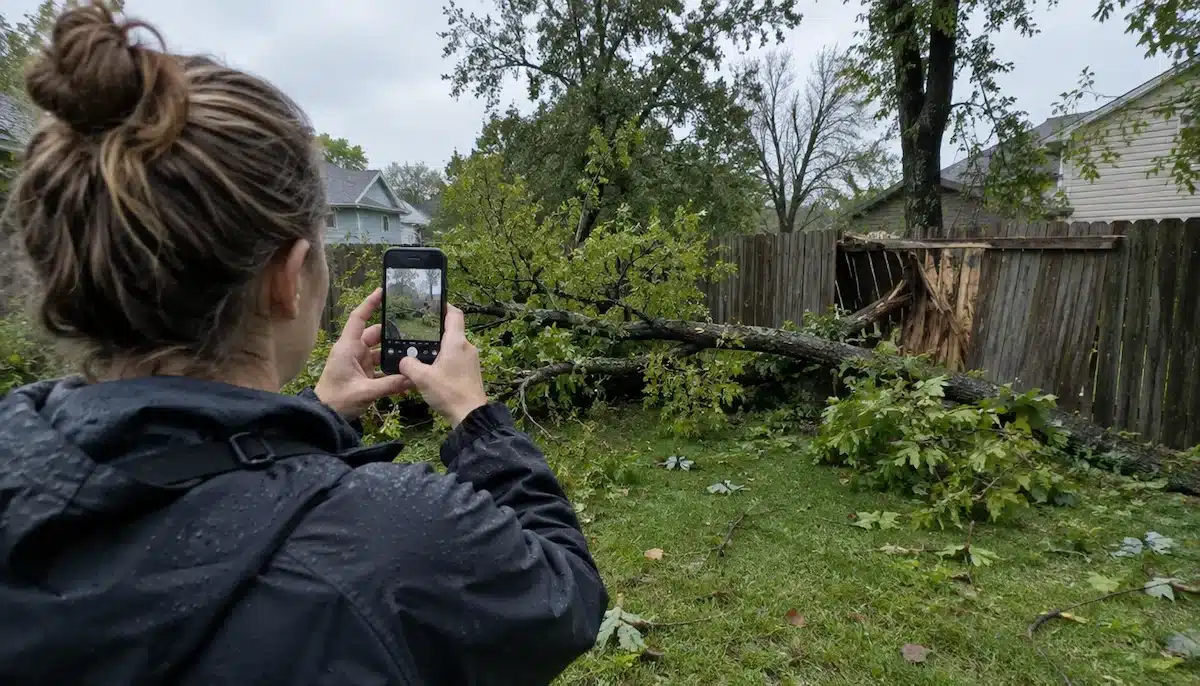
1. Photograph everything before cleanup, including the roof from the ground, ceilings, fences and fallen limbs.
2. Make temporary repairs like tarping to prevent more damage, and keep receipts.
3. Report the claim quickly and ask which deductible applies.
4. Get your own contractor estimate so you can compare it to the adjuster’s numbers.
For a full walkthrough, our guide on hurricane insurance claims in Texas covers deadlines, denials and the Texas Prompt Payment of Claims Act.
Review Your Wind Coverage Before Hurricane Season
The time to check your windstorm insurance is before June 1, not after a storm is in the Gulf. Know whether your wind coverage comes from your homeowners policy or TWIA, know your deductible in dollars, and make sure you can cover it.
Truong Insurance is an independent agency in Houston. We’ll pull up your declarations page, show you your wind deductible in real dollars, and quote options alongside your homeowners insurance. Call (281) 377-5049, email [email protected], or contact us.
Coverage, eligibility and deductibles vary by carrier and policy. This article is general information, not a quote.
